Inside Moscow Fashion Week: A Namibian Editor’s View
From bold contemporary designs to collections celebrating cultural heritage, Moscow Fashion Week offered a compelling showcase of creativity, craftsmanship and runway excellence. Attending as an invited guest and Editor-in-Chief of VAULTZ.connect, the experience provided an opportunity to witness how one of the world's emerging fashion destinations brings together designers, industry professionals and fashion enthusiasts on an international stage.
 Vaultz.connect
From bold contemporary designs to collections celebrating cultural heritage, Moscow Fashion Week offered a compelling showcase of creativity, craftsmanship and runway excellence. Attending as an invited guest and Editor-in-Chief of VAULTZ.connect, the experience provided an opportunity to witness how one of the world's emerging fashion destinations brings together designers, industry professionals and fashion enthusiasts on an international stage.
Moscow Through the Lens of Fashion
From 26 September to 1 October 2026, Moscow transformed into a vibrant centre of fashion, bringing together Russian and international designers for Moscow Fashion Week. With the historic Manege exhibition hall serving as a principal venue, the event presented collections reflecting diverse creative identities, cultural influences and contemporary fashion perspectives.
For a Namibian fashion editor, experiencing the collections firsthand offered a different perspective from following international fashion weeks through photographs and digital platforms.
There is something particularly engaging about watching fashion come alive on the runway. The movement of garments, the music, the lighting and the atmosphere contribute to a designer's creative narrative in ways that photographs alone cannot capture.
Moscow Fashion Week delivered an experience where fashion, production and storytelling came together.
A Runway Experience Defined by Precision
One of the most impressive aspects of Moscow Fashion Week was its organisation and the seamless execution of its runway programme.
With numerous designers presenting collections across consecutive shows, maintaining a tight schedule is no small achievement. Fashion weeks often experience delays as production teams transition between collections, models prepare backstage and guests move between venues.
However, Moscow Fashion Week demonstrated an impressive level of coordination.
Shows followed one another with remarkable efficiency, allowing audiences to experience multiple collections without significant interruptions.
The transitions between presentations were smooth, with lighting, music and runway production carefully managed to complement each designer's vision.
This level of professionalism highlighted the importance of strong production management in delivering a successful international fashion event.
The Energy Beyond the Runway
The excitement was not confined to the runway.
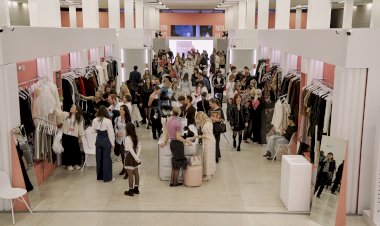
Waiting areas were filled with influencers, content creators, fashion journalists, invited guests and fashion enthusiasts, creating a lively atmosphere between shows.
Conversations, photographs, networking and spontaneous fashion moments contributed to the overall experience.
These spaces demonstrated how fashion weeks have evolved into platforms where creativity, media, entertainment and business intersect.
For designers, the presence of content creators and industry professionals also provides opportunities for their collections to reach audiences far beyond those physically attending the shows.
The atmosphere reflected an engaged fashion community, with each presentation generating anticipation for what would appear next.
A Celebration of Diversity, Heritage and Modern Design
The collections showcased throughout the programme offered an exciting range of creative expressions.
Some designers drew inspiration from traditional colours, cultural identities and heritage influences, translating these elements into contemporary silhouettes.
Others presented modern, sophisticated collections that embraced bold experimentation, elegance and innovative styling.
From ready-to-wear pieces to couture-inspired creations, the runways demonstrated the versatility of fashion as both an artistic and commercial medium.
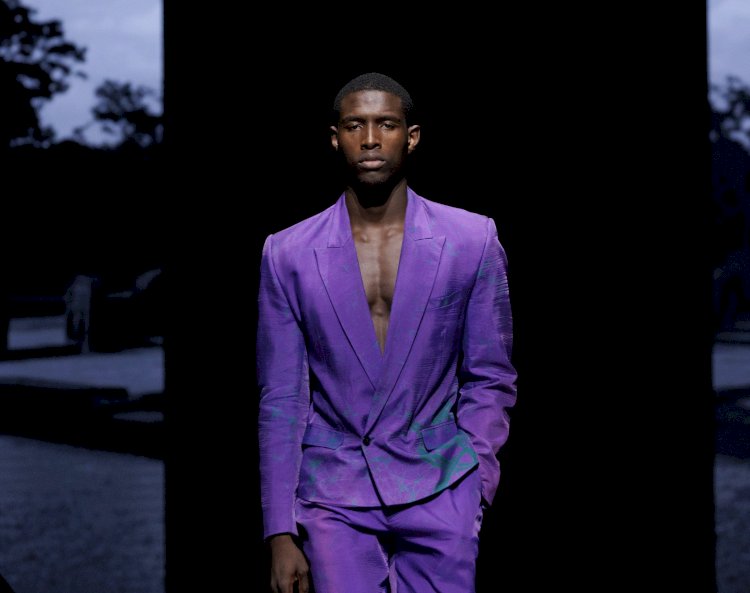
Bold silhouettes, striking designs and refined garments created a varied viewing experience.
Particularly interesting was the relationship between music and fashion. The soundtracks accompanying the collections were thoughtfully aligned with the garments, helping communicate the mood and identity of each presentation.
Whether dramatic, contemporary or understated, the music strengthened the visual storytelling.
The designers certainly did not disappoint, presenting collections that invited audiences to appreciate different interpretations of creativity, craftsmanship and personal style.
What Namibia Can Learn from Moscow
Beyond the collections, Moscow Fashion Week offered valuable lessons for emerging fashion platforms such as MTC Windhoek Fashion Week.
Strong event coordination, disciplined scheduling, consistent production quality and effective audience management contribute significantly to the overall success of a fashion week.
These elements do not necessarily require extravagant budgets. They require planning, experienced teams, clear creative direction and attention to detail.
For Namibia's growing fashion industry, international exposure provides opportunities to observe different approaches to runway production, designer presentation and audience engagement.
Fashion weeks also depend on collaboration between designers, models, stylists, production teams, photographers, media professionals and commercial partners.
Strengthening these relationships can help local platforms deliver increasingly professional experiences while creating opportunities for designers to develop their brands.
Beyond the Applause
A successful runway presentation can generate excitement and international attention, but its long-term value extends beyond the applause.
For designers, fashion weeks should also create opportunities for professional recognition, commercial relationships, new customers and potential market expansion.
For fashion media, the responsibility is to document collections thoughtfully, recognise emerging talent and explore the business opportunities shaping the industry.
Moscow Fashion Week offered an opportunity to observe these different dimensions of fashion within one international platform.
For VAULTZ.connect, the experience also provides an opportunity to introduce Namibian readers to designers, collections and creative perspectives they may not ordinarily encounter.
The Collections Deserve a Closer Look
What stood out most was the diversity of design approaches. Traditional influences existed alongside contemporary fashion, while bold statements shared the runway with understated elegance.
The variety reinforced fashion's ability to communicate identity, creativity and changing consumer preferences.
In upcoming VAULTZ.connect features, we will explore selected collections in greater detail, examining their design direction, silhouettes, styling, cultural influences and overall runway presentation.
Moscow Fashion Week demonstrated that a memorable fashion event is built through more than exceptional clothing. It is the combination of creative talent, production excellence, audience engagement and compelling storytelling that transforms individual runway shows into a complete fashion experience.
For a Namibian editor observing from the front row, the experience offered fresh perspectives on international fashion and valuable lessons that can contribute to the continued development of Namibia's own fashion industry.