THE NAMAs ARE BACK
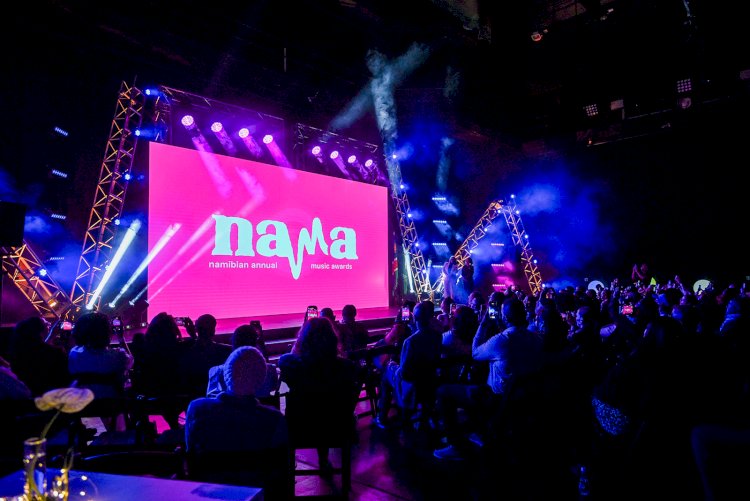
After a five-year absence, the Namibia Annual Music Awards are officially back, and this time, the return comes with a significant government investment and a bigger question: can the NAMAs once again become the defining platform for Namibian music? The answer will begin to unfold on 13 March 2027, when Namibia’s music industry gathers for the return of the awards ceremony. The comeback was officially announced on 6 August 2026 at the National Theatre of Namibia, where Government confirmed a N$10 million investment towards reviving the NAMAs under the Ministry of Education, Innovation, Youth, Sport, Arts and Culture. The launch also unveiled the NAMA 2027 campaign and a refreshed brand identity.
 Vaultz.connect
By Staff Reporter
After a five-year absence, the Namibia Annual Music Awards are officially back, and this time, the return comes with a significant government investment and a bigger question: can the NAMAs once again become the defining platform for Namibian music?
The answer will begin to unfold on 13 March 2027, when Namibia’s music industry gathers for the return of the awards ceremony.
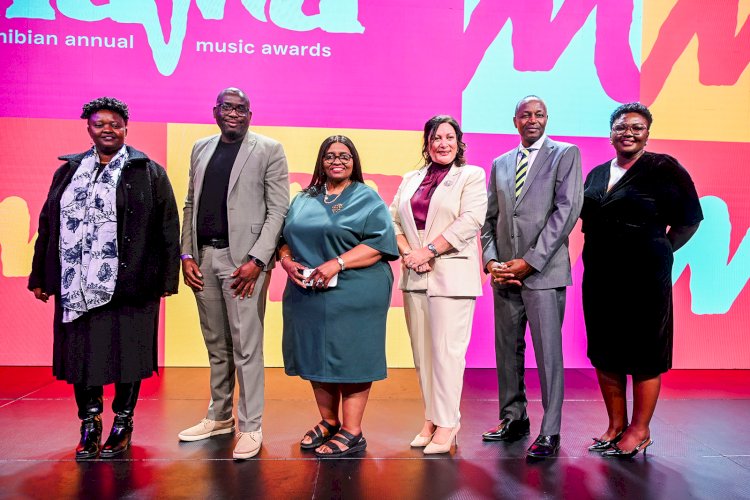
The comeback was officially announced on 6 August 2026 at the National Theatre of Namibia, where Government confirmed a N$10 million investment towards reviving the NAMAs under the Ministry of Education, Innovation, Youth, Sport, Arts and Culture. The launch also unveiled the NAMA 2027 campaign and a refreshed brand identity.
For an awards platform that has been absent since 2020, this is more than a comeback. It is an attempt to rebuild one of Namibia’s most recognisable cultural institutions.
A national platform returns
The NAMAs were established in 2011 by MTC Namibia and the Namibian Broadcasting Corporation, growing from earlier music competitions that date back to the 1980s.
Over 11 editions, the awards developed into a national platform, travelling beyond Windhoek to cities such as Swakopmund and Walvis Bay and introducing national broadcasts and a hybrid judging system involving local and international panels.
At their peak in 2020, the awards operated with a budget of more than N$10.7 million and distributed more than N$1 million in cash prizes to artists in a single year. The awards were subsequently paused following the withdrawal of title sponsor MTC amid the Covid-19 pandemic.
Five years later, Government is putting N$10 million behind the revival.
That immediately raises expectations.
The big prize: Best Overall Artist
At the heart of any major music awards is the ultimate question: who is Namibia’s biggest artist?
The NAMA structure includes Best Overall Artist, one of the key non-entry categories, alongside categories such as Best Album, Best Duo/Group, Best Newcomer, Best Producer and other industry recognition awards.
Best Overall Artist can arguably be regarded as the headline competitive honour — the award that says an artist has had an exceptional year and stood above the rest of the industry.
However, there is an important distinction when it comes to the money.
The official NAMA 2027 website and the government’s 6 August 2026 press release do not currently publish a specific cash amount for the Best Overall Artist winner. What has been officially confirmed is that the previous NAMAs distributed more than N$1 million in total cash prizes in 2020.
That means the prize value for the 2027 Best Overall Artist should not be confused with the N$10 million Government investment. The N$10 million is the Government’s commitment to revive the NAMAs and is not a stated prize pool.
For artists, however, the return of substantial prize money will be only one part of the opportunity. The real value of winning a NAMA remains the recognition, visibility, credibility and career opportunities that can follow.
24 categories celebrating Namibia’s sound
The renewed NAMAs are not simply about finding one winner.
The current structure features 24 entry categories, covering the broad spectrum of Namibia’s music industry.
These include Best African Contemporary Artist, Best Choir Album, Best Collaboration, Best Dance Music, Best Epera Album, Best Folklore Music Contribution, Best Gospel Music Album, Best Instrumental, Best Jazz/Blues Album, Best Kwaito Album, Best Langarm Album, Best Live Music Performance, Best Ma/Gaisa Album, Best Music Video, Best Oviritje Album, Best Rap/Hip Hop Album, Best R&B/Soul Album, Best Reggae/Dancehall Album, Best Rock/Alternative Album, Best Shambo Album, Best Sikokoshi Album, Best Single and Best Urban Popular Music.
There are also non-entry categories, including Best Album, Best Duo/Group, Best Newcomer, Best Overall Artist, Best Producer, Most Radio Played Song, Most Streamed Song and Music Development Award.
The structure reflects something important about Namibia’s music industry: there is no single Namibian sound.
From traditional music to gospel, hip hop, R&B, kwaito, rock, jazz, dance music and contemporary African sounds, the NAMAs are designed to recognise the diversity of the country’s musical landscape.
More than an awards show
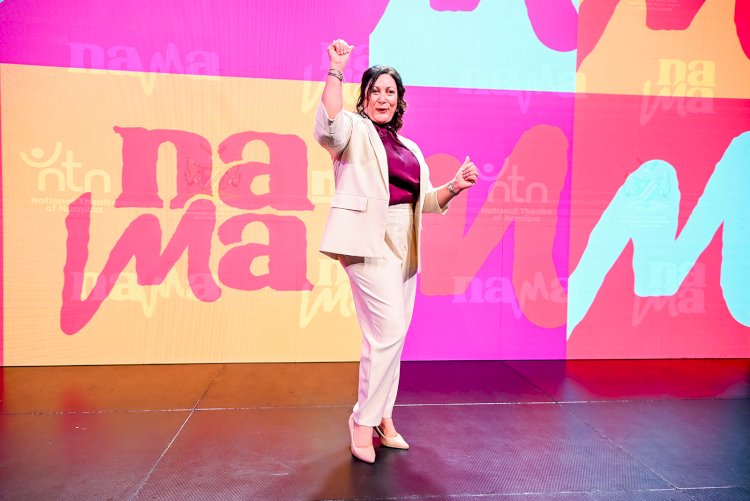
The Government’s vision appears to go beyond trophies and red carpets.
At the launch, Minister of Education, Innovation, Youth, Sport, Arts and Culture Dr Sanet L. Steenkamp described the NAMAs as a platform for celebrating Namibia’s diversity and creativity while contributing to the growth of the creative economy.
The Government’s stated ambition is to transform talent into enterprise and create sustainable livelihoods for creatives. The ministry also linked the awards to skills development in areas such as music production, sound engineering, performance, event management, digital marketing and entrepreneurship.
This could ultimately become one of the most important aspects of the NAMAs’ revival.
An awards ceremony can celebrate artists for one night. A strong music industry ecosystem can create careers for decades.
A new era of accountability
The revival also comes with a renewed focus on the integrity of the awards.
According to the official announcement, every NAMA 2027 submission will go through a formal vetting process to confirm eligibility, completeness and compliance with the rules.
The submissions will then be adjudicated by independent judging panels selected for their expertise and independence from sponsors, broadcasters and Government. AI-assisted technology will also be used to help the Vetting Committee identify duplicate, manipulated or non-compliant submissions.
For an awards platform that carries national significance, these measures matter.
The credibility of the NAMAs will ultimately depend not only on who wins, but on whether artists believe the process is fair, transparent and professionally managed.
The road to March 2027
The NAMA 2027 campaign is already moving.
Artist submissions open on 10 August 2026 and close on 11 September 2026 at 17:00.
Nominees will be announced on 26 January 2027, with public voting expected to open shortly afterwards. The big night — the NAMA 2027 awards ceremony, is scheduled for 13 March 2027.
For artists, the message is simple: the window is open.
For the industry, the bigger message is that the national music awards platform has another opportunity to redefine itself.
The real test begins now
The return of the NAMAs is undoubtedly good news for Namibia’s creative sector. But the success of the revival will not be measured by the launch event, the new logo or even the size of the Government investment.
It will be measured by what happens after the applause.
Will emerging artists receive meaningful opportunities? Will traditional music receive the same respect as commercial genres? Will independent artists compete on an equal footing? Will winners receive more than a trophy and a cheque? Will the platform contribute to skills development, music business education, international exposure and sustainable careers?
These are the questions that will determine whether the NAMAs simply return — or whether they genuinely enter a new era.
The Government has put N$10 million behind the comeback.
Now the music industry will be watching to see what that investment delivers.
Because Namibia does not simply need another awards show.
It needs a music industry platform that celebrates talent, builds careers and leaves the industry stronger than it found it.